Lore
On this page you can find Remnant OverPoch's lore.

Set in a future time after the Great Infection.
Humanity is slowly returning to the wasteland, industrious survivors have begun to join together in small groups and rebuild society.
Merchants have started to pop up to do business with survivors who collect goods from the wasted remnants of civilization. Wholesalers have landed, offering imported goods to aid the rebuilding effort.
All is not safe however some vestiges of infection still remain and rogue bandits still roam the countryside preying on unsuspecting survivors.
Survive, explore, build wealth, make your way through the harsh environment and assist in the effort to rebuild, or burn it all down its your choice, live in the Epoch.
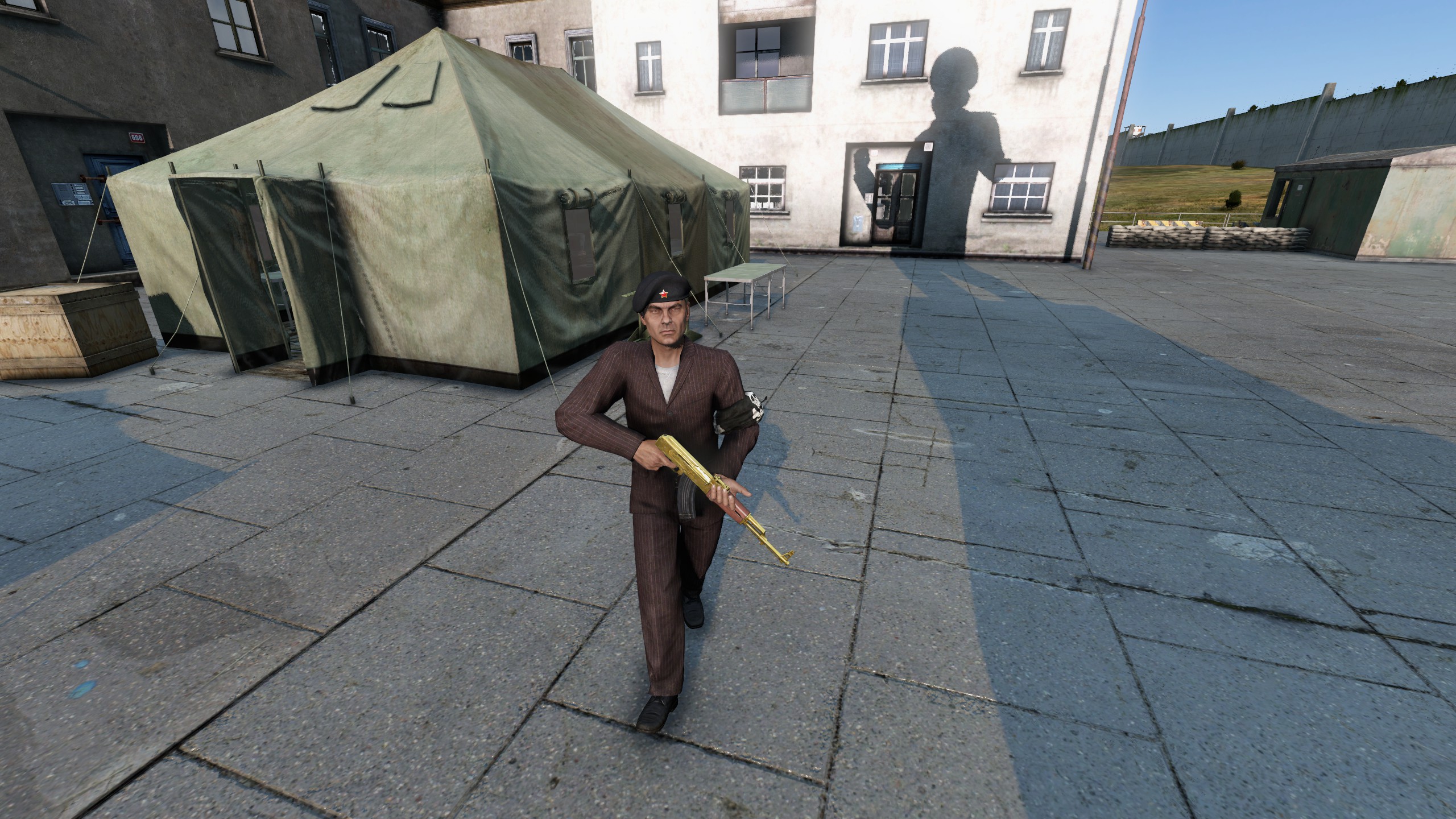
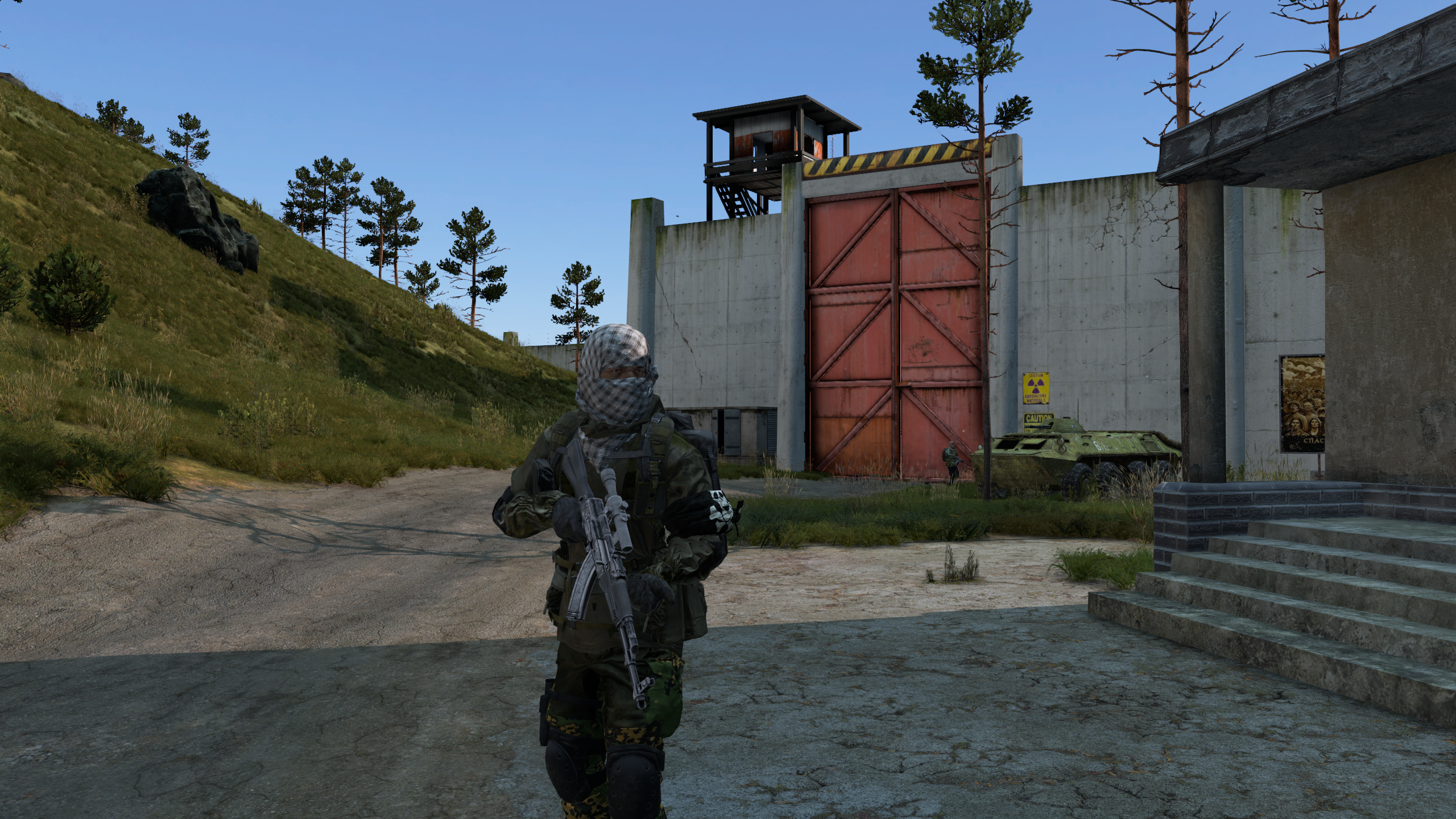
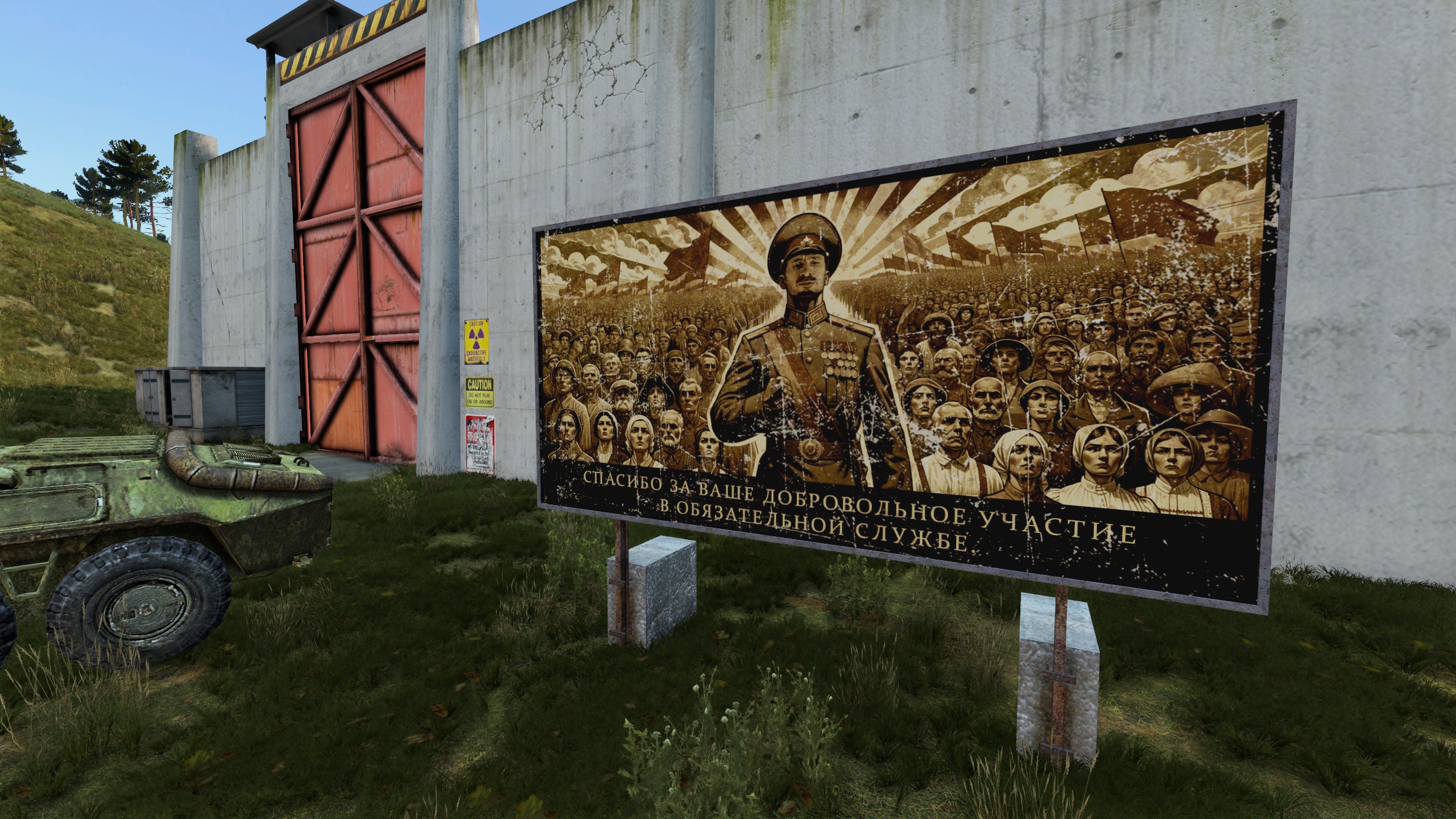
When the infection tore through Chernarus, most communities collapsed within weeks. On the island of Utes, Mayor Nikolai Dobroslav refused to let his people scatter or starve. He gathered them under one command and gave them a single order: build, or die.
From the first months of the outbreak, the people of Utes labored without rest. They tore apart their own homes for materials. They stripped abandoned towns along the coast. They worked through hunger, exhaustion, and fear, raising a wall of concrete and steel between themselves and the infected. The infected clawed at them from the outside. Many workers never lived to see the wall finished.
But eventually, it stood.
Behind it, the people felt something dangerous hope.
As the years passed, Sector B grew stronger. Crops were cultivated. Workshops produced weapons and building supplies. Armed patrols kept the perimeter secure. Word spread across Chernarus and beyond: there was a place that had survived. A place where the infected did not roam the streets.
Mayor Nikolai Dobroslav understood the value of that rumor.
Entry was no longer a matter of mercy it became a transaction. Only those who could pay were allowed through the gates. Weapons, gold, medicine, manpower everything had a price. Sector B became known as the first true refuge of Chernarus, but it was not built on charity. It was built on profit.
Cargo planes came and went. Foreign settlements exchanged supplies for Utes-made weapons and reinforced materials. Wealth accumulated inside the walls. And slowly, the original citizens of Utes the very people who had bled to raise those defenses were pushed aside.
Space inside the walls was valuable.
Loyalty was optional.
When tensions finally boiled over, the riots were swift and desperate. Workers, veterans, and families who had built Sector B with their bare hands demanded fair treatment or at least a voice. Mayor Dobroslav answered with gunfire.
Some of the original citizens died in the streets they had once defended. Others fled under cover of darkness, taking boats to the mainland, choosing the dangers of Chernarus over the certainty of oppression. Few were ever heard from again.
Sector B did not fall.
It adapted.
The empty homes were filled by those who could afford the price of safety. Merchants, warlords, foreign investors, and the fortunate few with enough wealth to buy protection. The markets still operate. The lights still burn through the night. Armed patrols still guard the gates.
The city lives on stable, fortified, and prosperous.
But only for those who can pay to remain inside its walls.